"We're Supposed to Be the Googles of Health Information": John Helvey on Why Interoperability Doesn't Work That Way Yet
TOPICS: Interoperability & Data Exchange · Health Information Exchange · Cybersecurity & Privacy RELEVANT TO: CIOs, informatics leaders, and regional HIE partners shaping interoperability strategy
John Helvey, CEO of Sac Valley MedShare, has spent more than five years running a regional health information exchange in Northern California, long enough to watch the industry's biggest myth about interoperability calcify into an assumption. People expect a national data query to behave like a search engine.
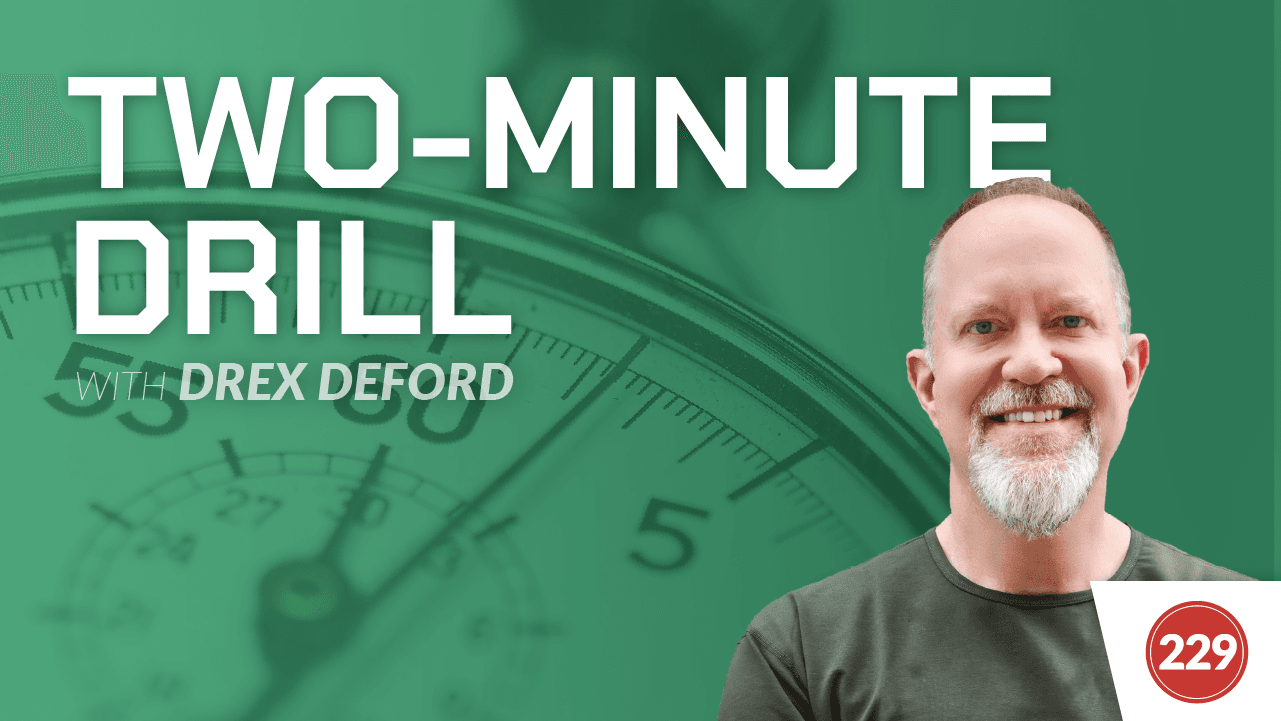
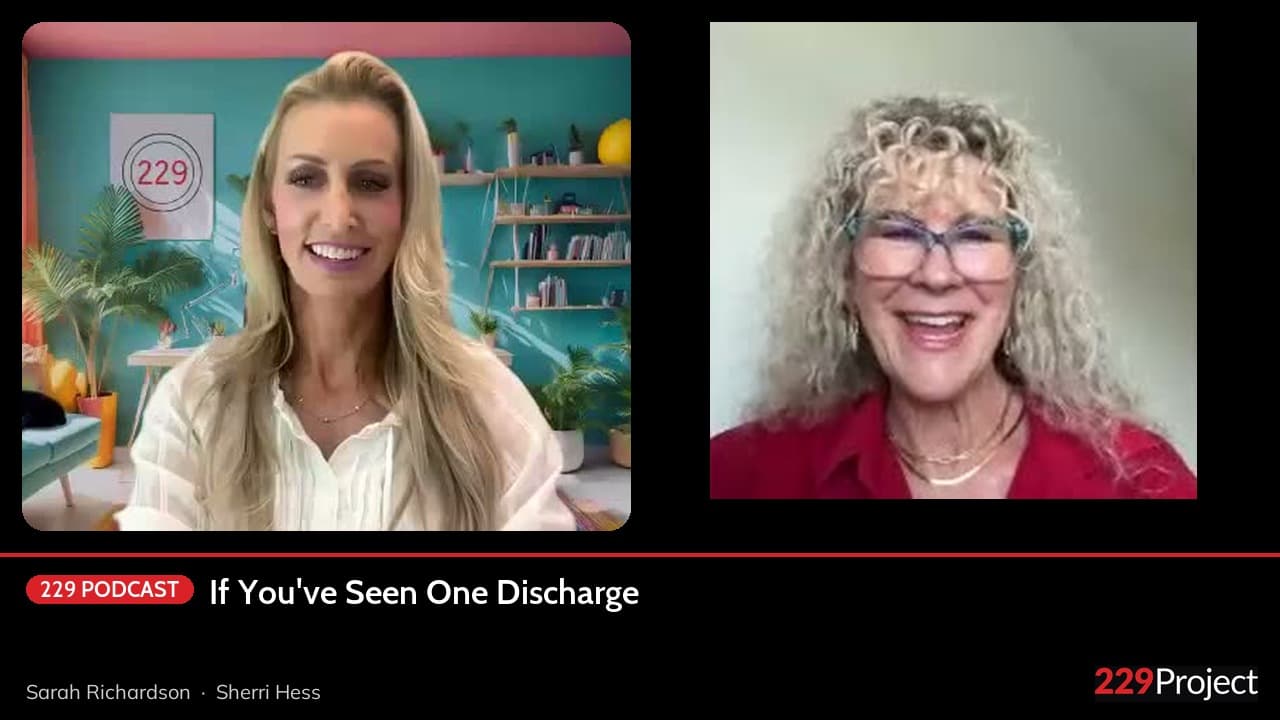
"We're supposed to be the Googles of health information, and it just doesn't work that way yet," Helvey said, speaking with Sarah Richardson on The 229 Podcast.
The reality behind a query from Sac Valley MedShare for a patient treated in South Florida is closer to a fragmented handoff than a lookup. Patient matching algorithms and geofencing determine whether a search even returns anything, and Helvey said there's "no real recipe or prescription" for making a cross-country query behave consistently. California alone has roughly 7,500 Care Quality endpoints, he said, and FHIR is expected to help but won't make the underlying complexity disappear.
When You Cross 75 Miles
Matching a patient to their own record is, in Helvey's telling, the harder half of the problem. He described a Santa Cruz example that captures why: "There's like seven people with the same name in the same ZIP code, and the same sex, and several of them have the same birthday."
Distance breaks connections that look solid on paper. Helvey said a member of his own staff learned that his data effectively "doesn't really exist" once he travels more than 75 miles from home, even inside systems that describe themselves as connected. "There's a whole workflow and a process to make sure that that data flows, and many times that doesn't happen," he said.
That gap matters most in provider-shortage regions like the one Sac Valley MedShare serves, where patients routinely drive two to three hours for care or live in one region while working in another. Helvey pointed to direct, point-to-point relationships, as the one Sac Valley MedShare maintains with San Diego Health Connect, as the more reliable fix. The two HIEs alert each other whenever a shared patient shows up in either of their emergency departments, something no national network handles automatically.
From Movable to Usable
Asked about the biggest shift in the last 18 months, Helvey didn't point to a new standard. He pointed to Sac Valley MedShare's move off a legacy platform onto a new one, California Care 360, that finally makes patient data discrete and parseable instead of one long document dump.
"The last thing people want to do is go through a fifty-page document and look for what they want," Helvey said. Now, a provider can pull just labs, meds, and allergies instead of the entire chart. Sac Valley MedShare has built its own language for this: taking data from movable to usable.
That principle extends to permissioning, too. Helvey described a role-based "WIC view" built specifically so WIC staff see only the data they're authorized to see, rather than a patient's full record. "It's really about taking the data that's interoperable, making it usable, and then making it available," he said.
The Portal That Kept Care Going
The clearest proof of an HIE's value comes when everything else goes down. Helvey described a large EMR outage last year that lasted about 14 hours, on a Friday evening, right as on-call providers needed access most.
"Well, guess what they had access to? They had access to our portal system," Helvey said. "Not only could they see their records for that patient, but they could see all records for that patient, and they could provide the on-call care to that consumer without disruption."
Helvey was careful to draw a boundary: an HIE isn't the legal record. But during a downtime or breach event, it can be the difference between guessing and knowing.
It's Not My Data
Helvey's near-term vision is a patient-centered data home, a model supported by Civitas Networks for Health, where a patient's data follows them automatically no matter where they were treated. His example: a California resident has an ER visit in Indiana, and the ADT flows back to their California provider without anyone chasing it down.
Getting there means moving from query-and-respond, which Helvey said still takes 60 to 90 seconds per lookup, toward push technology and deeper partnerships between regional HIEs. It also means resisting a more basic temptation.
"We also have to remember it's not my data," Helvey said. "We're stewards of the data for the consumers and the providers." His closing point to the industry was just as direct: stop monetizing health data, fund interoperability properly, and stop reinventing a wheel that just needs to get better.
John Helvey is CEO of Sac Valley MedShare, a regional health information exchange serving Northern California.
Thank You to Our Article Partner