Shadow AI, Shrinking Budgets, and the Agents Nobody Approved | Newsday
 Apple Podcasts
Questions Answered in This Episode
- How can healthcare leaders identify AI agents running on networks they never approved?
- Why is data literacy becoming synonymous with AI governance in health systems?
- What happens when AI agents replace human understanding of data sources?
- Should healthcare organizations keep imaging data forever, or use cold storage instead?
- Who owns responsibility for AI governance—the CIO, CTO, or CISO?
About This Episode
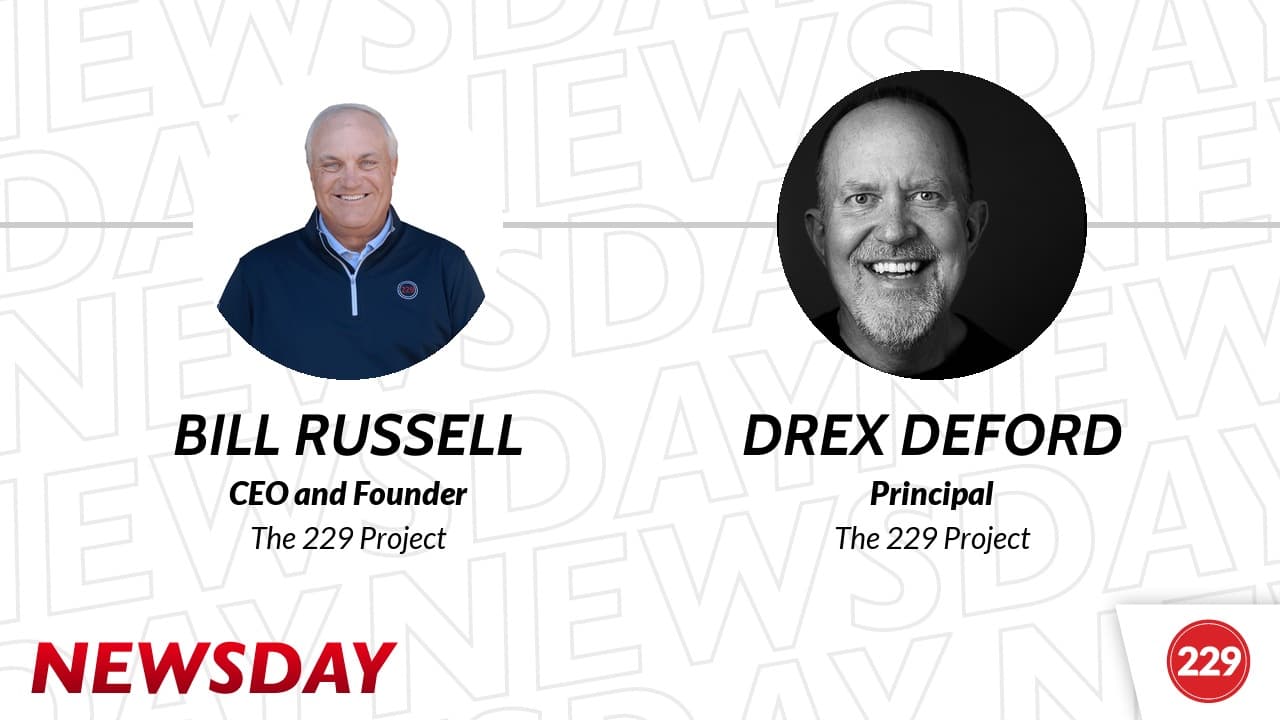
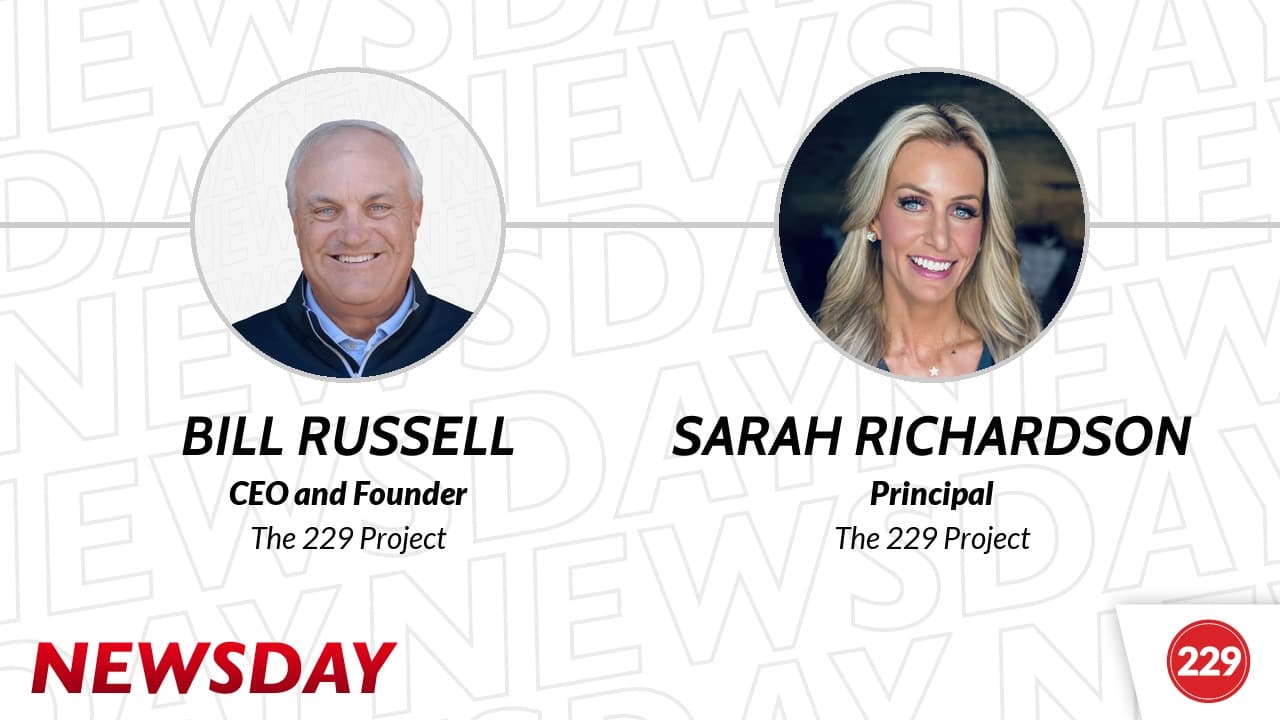
June 1, 2026: Bill Russell, Drex DeFord, and Sarah Richardson bring back the highlights from three simultaneous healthcare summits in Destin, Florida, covering imaging leaders, CTOs, and children's CIOs. The conversations were connected by a few uncomfortable truths: four in ten health systems cannot measure the AI they have already deployed, most organizations have dozens of agents running on their networks without anyone knowing, and budgets are getting squeezed by rising RAM costs and what leaders are calling the AI tax. From data literacy gaps and ungoverned agents to the idea of onboarding AI like a new hire, this episode captures what healthcare's sharpest leaders are actually wrestling with right now.
Key Points:
00:46 Summit Takeaways Setup
09:55 Agents and Governance Gaps
18:18 Proving AI ROI
22:31 Budgets, Vendors, and Wrap
Keep up to date on the latest in health IT:
https://thisweekhealth.com/news/
Donate: Alex’s Lemonade Stand: Foundation for Childhood Cancer
Contributors
People featured in this episode — open a profile for more.


Transcript
Shadow AI, Shrinking Budgets, and the Agents Nobody Approved | Newsday [00:00:00] Speaker: I'm Bill Russell, creator of this week Health, where our mission is to transform healthcare one connection at a time. Welcome to Newsday, breaking Down the Health it headlines that matter most. Let's jump into the news. Bill Russell: All right, it's Newsday, and today I am joined by the intrepid, uh, intrepid, is that the right word? Uh, Drex DeFord, Sarah Richardson: yeah. Bill Russell: um, and the wonderful Sarah Richardson. I never use wonderful for Drex DeFord. I, I've gotta... Sarah Richardson: He's Bill Russell: Anyway, yeah, he's, he's, he's intrepid, exactly. He's, uh, keeping an eye on what's going on on the cybersecurity front at all times. But, uh, now he's, uh, he's an imaging expert, so I'm looking forward to hearing some of that. Um, Drex DeFord | 229Project: I am. Bill Russell: Just, we just had a summit down in Destin, Florida. We had imaging leaders, we had CTOs, and we had s- uh, children's CIOs, each one of us, uh, hosted an, an event. What I thought I would do, for this [00:01:00] discussion, what would be nice is if each one of us took just one thing. We don't wanna, um, Drex DeFord | 229Project: Hmm. Bill Russell: people with, you know, the topics. We talked about a lot of things in these... But what's, what's the one thing you walk away from the summit? Sarah, I'm gonna start with you. I mean, what's, what's the one topic the children's CIOs seem fixated on right now? Sarah Richardson: Data literacy of their constituents. Bill Russell: Interesting. So, so why is that? I mean, what are, what are we looking at and what, what are they talking about? Sarah Richardson: So what's super fascinating about just, for years, understanding, like, the data management aspect of what we do every day, and how core that whole space is to a health system as they layer AI on top of their data programs as a, as a way to really create efficiencies within the organization. So you might have had decent data management, maybe some good data governance around all of that, but now the aspects of, like, do we put AI governance on top of that? How are we making better decisions? But then realizing that as you [00:02:00] push all these capabilities into these really advan- more advanced self-service- Uh, spaces. You start aggregating the data into different types of reporting. You start using that as foundations for building agents and creating different workflow opportunities. It's how much that the data owners and the data stewards don't really appreciate that part of their role or really understand how data best gets utilized inside of an organization. So like the need for AI literacy, they are s- it's synonymous with data literacy and really being able to appreciate how the sources of your information can produce new and different insights for your organization to move even faster. Bill Russell: Drex, how, how ubiquitous do you think that conversation is right now? Drex DeFord | 229Project: so I know there's a lot of discussion about the use of data and artificial intelligence and how right or how perfect the data needs to be before you can use it for AI. Uh, you know, [00:03:00] somebody in our meeting sort of, I think, not necessarily halfway jokingly talked about, "Well, can't we clean up-- Can't we use AI to clean up the data so that we can use it then for AI?" And I'm like, "I don't know. That sounds like maybe that could be a thing." It was interesting too in the imaging group, 'cause I was the moderator for the imaging leaders, uh, they actually had this interesting conversation about data and data retention, because that's always a challenge for them, these giant images, how long they stay around. It's a huge amount of storage and a massive amount of cost. And there was sort of this- Uh, you know, there wasn't really sort of like one side and the other side, but they were really good about the conversation of how long do we keep this stuff? Do we need to keep it forever? And then kind of, you know, can we, can we dump some of it after a certain period of time? But in the next breath saying, but this data is amazingly interesting long-term data, like maybe because of what [00:04:00] we can do with AI, now we have all this data we can use for training. Bill Russell: e-episode for, for This Week Health? Like, Drex DeFord | 229Project: The- Bill Russell: hoarders Drex DeFord | 229Project: there is, but imagine if you actually hoarded all the data, and you could actually hoard it and it would be okay, the amount of valuable information that might actually be hiding in the data that you're hoarding. Like, that could be IP. That could be stuff that you use to build new tools or new capabilities or train models or... You think of it, I mean, we may think of it today as like, once it's this old, you should throw it away. Bill Russell: I, Drex DeFord | 229Project: maybe you shouldn't throw it away, Bill Russell: I'll tell you, Drex, the, the first meeting I had, I would... So compliance people, myself were sitting there, 'cause, you know, back in the day, we had to worry about onsite storage, so our SANs were just Drex DeFord | 229Project: Right. Bill Russell: like, "Hey, I've got to spend another, you know, three-quarters of a million dollars to put another SAN in here to, to store this stuff. Let's have a conversation on what's actually going on." It seemed logical to me. And, Drex DeFord | 229Project: think there's a compliance issue there too, right? Like exposure, legal exposure. Bill Russell: there is, but, [00:05:00] but that was sort of the-- sort of my point is the amount of stuff that goes on, and we don't-- we're not entirely sure why it goes on in healthcare. So I brought people into a room and, and, uh, you know, the first was compliance people. I'm like, "How long do we have to-- need to keep the data?" And the answer was forever. And I'm like, on what? We don't do research. We're... You know, is it, is that a California law? Is it a Texas law? Is that a federal law? I mean, what's..." they said, "Well, you know, that's what legal says." So I thought, "Well, great. Let's talk to legal." And I talked to legal, and they're like, "Well..." And then legal had a really nuanced answer. It was like 27 years for this and, Drex DeFord | 229Project: Yeah, Bill Russell: this Drex DeFord | 229Project: pediatrics. Bill Russell: month aft- uh, this amount of time after death. And I was like, "Whoa, man, that's very different than what I just heard from compliance," has filtered down to, to, to, the IT organization, which is essentially saying we have to keep stuff forever. it's all just sort of anecdotes that get all the way down. I don't doubt that it has value, um, but it definitely [00:06:00] has cost. Drex DeFord | 229Project: Well, I think that also then rolled into a conversation about like what could we at... Is there, at some point, we could take this stuff and put it in cold storage that could be recalled sometime in the next, it would take seven days to get it back. Like, what do we need, like, on spinning disks that we can actually get to? That was some of the stuff they ul- they, they ultimately got to. But really good conversation about how much data do you need and where do you need it and how often do you need access to it and Bill Russell: I wanna... Drex DeFord | 229Project: but Bill Russell: Sarah, I wanna Drex DeFord | 229Project: input... Bill Russell: to the, the, the value of data and data literacy. It's interesting to me because with our organization, again, not a healthcare organization, 20 employees, not, not, um- And th- there's Drex DeFord | 229Project: Nothing. Bill Russell: now is we are giving everybody an AI agent that sits in between themselves and all this data, and we're, we're bui- building out the protocols that know the data dictionary and know the data and whatever, so when [00:07:00] you ask a question, it gives you what you want. I'm wondering if the need for data literacy is going to go down because they're going to have an assistant that essentially says, here's length of stay information you, you asked for. Oh, by the way, this length of stay is measured by this. There are other length of stays that are this and this." We used to have to teach people that and so that they fundamentally knew that, because they could produce a report that was just flat out wrong. But now the AI could sit in between and go, "Hey, I, I know the different... I, I know the nuance of this data, and I can get you a, I can get you a slice of it, and I can also help you to understand it." Sarah Richardson: Yeah, but then you're also touching on one of the core elements of that people still need to understand how that gets produced, how to manage drift, how to look for hallucinations, and how to appreciate that if you had an outage or your agent went rogue, we just don't want people that are only relying on the agent itself. And so where does the human in the loop go, even in [00:08:00] understanding data sources and how reports are created? And so you still want the people who appreciate how we get to what gets output each day. And that's the piece that not only are people worried about in terms of we don't even know where some of this information's coming from, even though it's ours, how are we making sure it's correct? But the desire to want to also how much information we do need at any given time to make the right decisions. And so you still need those stewards and those owners to be able to manage the program effectively. But as we-- the more things we drive into these centralized capabilities, if it's easier for you to use, what we're still finding is that people go back to, "Well, I want it to actually say or do this." And so how do you make sure you're not managing or manipulating the data to get to something that you already believe is true? People have to be comfortable with the tooling that is there, and it's all about change Bill Russell: do that all the time. I'm sorry. Sarah Richardson: they, yes, they do. Um, but it just comes back to that, that desire to [00:09:00] want to understand it, so we're still making great decisions based on data that we trust. And so that's what it all comes down to, is trusting the source of the data and the information to a degree, regardless of how we get there, but making sure that those processes are something that everybody is literate in understanding so that it continues to be an engine versus an albatross Bill Russell: one of, one of the reasons that Claude has taken over, over OpenAI, not in terms of number of users, but just in terms of usefulness for, uh, businesses, is because if you watch it do its tool use, it's using deterministic tools, right? So we're worried about it hallucinating, but at the end of the day, it's using deterministic tools, meaning it's using stuff like that knows how to do math and does math like a computer does math, and it can find those things. And, uh, it, it's using the subjective, the probabilistic stuff, maybe a little less, maybe as analysis, but not necessarily as the tools. So I, I think that's going on, but it leads to what we talked about in the CTO room. CTO room, the most robust conversation was around AI governance. [00:10:00] It was, how do we identify what AI is going on in our operation? How do we responsibly, uh, allow AI in where it should be allowed in the right controls? What are the right controls? Um, you know, what does it look like to evaluate this? Do we have the staff and the expertise to evaluate this kind of stuff? does, what does all this sort of look like? And one of the questions I asked them was, "Is this the CIO's or CTO's role?" Like, is, is this... um, it's interesting 'cause the answer wasn't... The role isn't defined. Like, and it's, it's, it, it's not any one person's job. It's sort of, know, the CIO's looking at it, the CTO's looking at it, the CISO's definitely looking at Drex DeFord | 229Project: The imaging leaders are looking at it too, Bill Russell: Yeah. Drex DeFord | 229Project: these are all-- both of these CIO, CTO kind of topic questions were also in the [00:11:00] imaging, uh, in the imaging group. And it, it certainly occurs to me that if you go back years and years and years, maybe the first IT people in most hospitals were imaging people or lab people. And, uh, so in a lot of ways, they have the same challenges. There's lots of AI inside of imaging and who's running what, and should we be making, you know, should we be-- how do we prioritize this and identify it, figure out what data it's actually using? And so the same questions. I mean, it's really interesting. Bill Russell: Well, and there are some tools there now that you put them on your network, and it looks at the kind of traffic that's going on, and it says, "Hey, this agent's going on. This agent's g- you know, this stuff's going on." I did talk to a, CIO before this meeting that had told me he implemented one of those new tools and found i- it was over 50 Drex DeFord | 229Project: Mm-hmm. Bill Russell: of AI doing stuff on his network that he had no idea were there. Drex DeFord | 229Project: Yeah, I had a conversation with somebody the other [00:12:00] day who said they thought they probably had about 25 or 30, and it turned out they had well over 100, Bill Russell: Yeah. Drex DeFord | 229Project: agents running. And some of that came from, you know, just agents that somebody had decided to use, but a lot of it also was from products they had bought and installed, like Workday, where there are now agents running. It wasn't when they first started using, you know, Workday, whatever application, but now that's, those new agents have come with upgrades. Bill Russell: it's interesting, the evaluation of AI is different depending on where it's coming from. So Drex DeFord | 229Project: Absolutely. Bill Russell: if it's coming from Epic, it falls... It, it-- What they were as describing to me was it falls naturally into their governance. Like we already evaluate the validity of the model. We already validate the, the outcome, the reporting, the integration, the quality of the data. Drex DeFord | 229Project: Yeah. Bill Russell: That, that mechanism was already created on the clinical side. So anything that comes out of Epic, they, they said, you know, [00:13:00] sort of has Drex DeFord | 229Project: Trusted partner inherits the trust that we already have for that partner. Those agents inherit that trust. Bill Russell: but Drex DeFord | 229Project: then on the other end... Bill Russell: yeah, but we do trust ServiceNow, but that doesn't fall under the clinical stuff. Drex DeFord | 229Project: Hmm. Bill Russell: And so there's not a natural mechanism that's already been created. And I'm wondering, you know, Drex, I mean, we, we've... You brought this up. I think you wrote about it a couple weeks back, the, uh, chief non-human resource officer. Drex DeFord | 229Project: Right. Bill Russell: called it? Drex DeFord | 229Project: Yeah. Bill Russell: resource Drex DeFord | 229Project: Vice president of non-human resources. Bill Russell: And agents, essentially, Drex DeFord | 229Project: Yeah. Bill Russell: And I'm wondering if, uh, the, the thing that came up in our, in our room is nobody's really responsible here because there's a, there's a new model that's sort of emerging, and we're a little, we're a little behind it right now. Drex DeFord | 229Project: Yeah. Bill Russell: unless you guys heard something different, but it feels like we're a little behind it.[00:14:00] Drex DeFord | 229Project: No, you, you-- I think the, uh, so on Saturday you wrote something too on LinkedIn that I thought is pretty intriguing, and the three of us even this morning had conversations about like, wait, okay, so we're hiring this person. What do they, this non-human, uh, agent, what do they need to do? How do, how are they going to work in the company? Are they gonna get an email address? What are they gonna be able to do? How do we onboard the, you know, the, the culture of the organization into this agent so it understands how to be a good team player and what we value and what we don't? Bill Russell: do we have to open a req to, to hire a non-human resource? Drex DeFord | 229Project: And should you have an inventory just like you do of your humans so that you can give them annual reviews and tell them that they're doing a good job or not, and you can sanction them if they're not, or maybe even fire them? And at some point they need to retire. I brought an agent in to do this thing, and now that agent's work has been subsumed by some other agents.[00:15:00] Do I need to keep them, uh, in the inventory? Bill Russell: Yeah, Drex DeFord | 229Project: So there's so many things to think about these things. Bill Russell: I had to apologize to Sarah because I think I walked into her room for, like, 15 minutes. We had a break, I walked in for 15 minutes. I dropped, like, five stink bombs and then walked out, out of the room. Sarah Richardson: But that's what you're known for, so it's all good. You know? It's kinda like the moment that Bill walks in, everybody goes Bill Russell: Yeah. And Sarah Richardson: of wait to see. Uh, they weren't, they Bill Russell: what... Sarah Richardson: this time, let's be honest. You actually was more provocative than it was stinky Bill Russell: Well, it-- But you could see it in their, their faces, and I got some of this from the CTOs, which was essentially, "You know what, Bill? What you're talking about, it's like, I get it. I see it. Um, but this is healthcare. Like, what you're describing is not gonna happen this year. It's not gonna happen next year. And if it does happen, it'll be, you know, it'll be, you know, 24 months from now." And, uh, they might be right. I mean, it might take that long for some of this stuff happen in healthcare, but I feel like we're behind. [00:16:00] I'd rather be 18 months ahead in terms of our thinking instead of months behind and have that sort of gotcha moment where it was like, "Oh, man, we should have gotten in front of this." Drex DeFord | 229Project: The best time to fix a problem is before it's a problem, right? I mean, once it's a problem, now we wind up spending a lot of energy going back and cleaning up and retrofitting and, Bill Russell: Yeah. In fact, Sarah you sent me.What'd you send me? You sent me an email that said number of, uh... It was, it was very provocative. AI, here it is. 59% of healthcare organizations have standardized processes to track the performance of their deployed AI agents, meaning four in 10 health systems are running AI they cannot measure. Where'd you get that? What's the source of that? Do you know? Sarah Richardson: Yeah, Health IT News. It's right there in the email too. It tells you where I sourced it So my agent creates that report for me every day, sends me Bill Russell: Oh, yeah, it is. Sarah Richardson: with the things that we are talking about from summits, from signaling, from other aspects of what we do, and then I ask it to daily source me information that is relevant to our community and how we need to be preparing ourselves and talking about these things in real time. And the thing about being ahead of the curve [00:17:00] on all of this is some places are doing some of this. And when we say, "Oh, Bill, it's gonna be 18 to 24 months," that's before its mainstream adoption. You're gonna continue to have those... Just like the whole, you know, change curve of the early adopters and then the bell and the people that come in laggards towards the end. These things are already out there. Even if we were still running healthcare systems, all three of us would have these agents deployed trying different things that, in a sandbox maybe for some of the safety mechanisms. But there are going to be departments that want to be creative and try these things out, and the faster that you can get the ideation out there... I mean, there were people talking about, we know our doctors are out there building agents and doing different things anyway. Whether it's the doctor or it's the person that's over in finance that does these types of things, sort of the resurgence of shadow IT, but in a that you are actually setting the shadow, and so it's not like a complete surprise all of the time. But when you can articulate the conversation, then you're already ahead of it. When people understand [00:18:00] that you know what it's gonna take to do this in your org, even if your org's not doing it as prolifically as you would prefer, then you already have a win to a degree. And when you're focusing on the education of both AI and the data literacy, those things come together, you're way ahead of the curve for when these things do start to happen more commonly. Bill Russell: The question for health system leaders is no longer are we using AI, it's can we prove it's working? Um, AI ROI was definitely a conversation. I assume it was in imaging as well. Drex DeFord | 229Project: Same, yeah. Sarah Richardson: Yeah Drex DeFord | 229Project: Yeah, I think that whole, um, we're, we're like that a lot, right? We get really excited about new things, and so we just start using them for the sake of using them. And then at some point we get around to the like, okay, so exactly why are we doing-- Like, what is the value? How much money are we making because of this? Or how much time are we saving because of this? Or what is the benefit to patients and families? Uh, so, uh, maybe this has happened a little faster with AI and AI agents, but [00:19:00] There's still a lot of folks out there who, who are just trying things. And that's not a bad thing either. Bill Russell: We delved into security a little bit, Drex, and of the things is, um, uh, you know, Mythos or Mythos or however you want to say it, I've heard different pronunciations now a couple of times. This is top of mind for these people right now. okay, great, so some of my ven- Epic, they, they believe Epic has know, access to it, and so they're looking at the security model around it, which would be great if they did. Be great if Oracle did as well, be great if Meditech did, be great um, if all those players did. But they believe there's gonna come a time in the not too distant future where that's going to be released, um, they're gonna have to respond very, very, very rapidly to, um, a bunch of vulnerabilities because if-- once they release that to the general public, it's released to, released Drex DeFord | 229Project: The bad guys too, yeah. Yeah, I think, um, you know, this idea of... I mean, I don't wanna, I don't wanna poo-poo patching [00:20:00] here. I'm a big patching advocate. You should patch everything. Let me start with that. But in my next breath, I'll say, given the world that has evolved or is evolving right now, uh, there's-- it's a lot of patching if you do it. Like, I think you're gonna continue to do patching. There's gonna be patches that or, or, you know, exploits that have been, that have been, uh, used, and you're gonna wanna prioritize and patch those. But I think as important as anything else, segmentation, uh, removing yourself from the internet as much as you can remove yourself from the inter- don't put, don't have servers facing the internet if you can do that. Reducing your attack surface, like doing that as much as you possibly can and doing segmentation. I think there's a lot of things that are in that defense in depth conversation. Uh, you just can't overly rely on patching. And patching seems to be like a metric that boards look at and kind of like 'cause they can kind of see, oh, it's bigger than a bread box, and [00:21:00] so we should be fine. But that's... Bill Russell: for twenty-five minutes about patching and the CTO thing. Drex DeFord | 229Project: Yeah. Bill Russell: and I want to know, and I'm gonna speak for Sarah right here. What we want to know is patching. What should our expectation be? some people are saying, "Look, for some of this stuff, we can get it down to, you know, almost real time." But that's not the case across the board. Drex DeFord | 229Project: Mm-mm. Bill Russell: for some of these things, it's, yeah, it's clinical systems. It's Drex DeFord | 229Project: There are legacy devices, yeah, that aren't gonna be patched. Bill Russell: expectation be as a CIO for our patching? Drex DeFord | 229Project: I know. That's really good. You know what we should do? We should, we should maybe think about doing a signal survey where we ask individual CISOs or CIOs about what they have as their standard for patching. Because I know CIOs and CISOs get a lot of pressure from their, from their boards or from their exec peers about this, and I don't think there's one, like, perfect standard. So, um, it may definitely be in some kind of [00:22:00] gradation. If Bill Russell: See, Drex DeFord | 229Project: if these... Bill Russell: take-- S-Sarah can't take this answer to her board, though. Drex DeFord | 229Project: And I think you look at it as, like, if there, there are gradations where if the, if the exploit's been used, then that becomes a high priority. You should get that patched, like, as soon as possible. But then I think there are some things that are never gonna be patched, and you've gotta think about how you're going to protect those assets without patching them ever 'cause they're medical devices, or they're just out of service. It's, I mean, there's no more support for that operating system, and we run a lot of things like that in health systems, Bill Russell: Well, Drex DeFord | 229Project: we have to protect them in different ways. Bill Russell: we're at the end of the show, and I would be remiss if we didn't talk about money. Money, money, money, money. um, I'm curious if it came up in your rooms. It came up in our room pretty seriously in terms of, um, uh, budgets are very, um, Drex DeFord | 229Project: Mm-hmm. Mm-hmm. Bill Russell: budgets are pretty significantly lower than they are today. And so, especially the CTOs, they're being looked at to like, "Hey, what can you do here?" I, I'm curious if that came up in your two rooms. Sarah? Sarah Richardson: It did, and why I love this, and you'll [00:23:00] appreciate, like, the, the brain trust you have in a room full of CIOs running children's hospitals, and they all-- The best tagline from the whole conversation about the budget was, "The best way to manage governance is to just not have enough money." And so one of the leaders was like, "We have," making the number up, "10 million. That's it, period." when it's, that bank is empty, it's empty, and then you just stop saying yes to things because... I feel like that's probably one of the most obvious ways to think about it, but that person said, "Our governance works 'cause we just don't have a lot of money." Drex DeFord | 229Project: We've talked about that so many times, sir. Relentless prioritization, right? This... And doing it in the state of not having money also. Not having, not being able to buy your way out of a problem creates real innovation. That's when people really start to think about, how do I look at what I have and I make something else out of it? When you can buy your way out of it, you keep doing things the way that you're doing. You just buy more [00:24:00] of whatever it is the solution turn, turns out to be the thing that you can buy. But n- a lack of resources drives real innovation. On the money front, one of the conversations that, or, or the The ongoing conversation that happened in imaging is that they think about this problem, uh, from the opposite side, right? They are revenue contributors, and so they're always thinking about how do we get more imaging procedures through the pipeline? How do we keep them from because we have a delay in scheduling, or we have a delay in something else that keeps us from having that appointment booked and actually run through our system, run through our imaging processes within two days or seven days or 14 days. We don't want that person to leave and go, you know, that's leakage. We don't want them to leave and go somewhere else and get that image. So they're thinking about [00:25:00] it from the revenue contribution side, not necessarily the spend side. Bill Russell: It, it's interesting. Our conversation was interesting as well, just the... I, I, I, from time to time, I do these quick pulse things. I'm like, "All right, give me your best idea for how you saved money in the last, months." Uh, 90% of them were contract negotiations. this. We-- You know, our Microsoft renegotiation, our, you know, fill in the blank. So 90% of them were renegotiating with them, identifying what you actually use. Drex DeFord | 229Project: Mm-hmm. Bill Russell: Uh, it turns out, again, we're hoarders in a lot of different ways in healthcare, and we, Drex DeFord | 229Project: Yeah. Not over-provisioning or, I mean, not, not having-- I get, I have 250 licenses for this, but I actually only use 12. Bill Russell: Yeah. Drex DeFord | 229Project: Yeah. Bill Russell: concern. There's a concern like how many times can you go to that well? Drex DeFord | 229Project: You can, uh-- I mean, in the-- for me, every time I went into a new organization, it was the first thing I did. It's how I built trust with my CFO. I need every contract, and I'm gonna renegotiate, uh, essentially every contract. I'm gonna squeeze every... I'm [00:26:00] gonna show the CFO I am the best steward of dollars that you have ever seen. But yeah, d-d- how many times you can go back to the well with every one of those partners, and you may get a lot of juice with the first squeeze, but you don't necessarily get anything maybe with the second squeeze, Bill Russell: squeeze. I, I agree, and they, they, they've recognized that that's the case. There's a, um... There are very real inflationary drivers in their world. The, the Ramageddon. Ra- Ramageddon. That, that's what, that's what they called Drex DeFord | 229Project: Oh, Bill Russell: Ramageddon. I mean, they're like, "Look, I, Drex DeFord | 229Project: Ramageddon? Bill Russell: I, I had a contract with a vendor, and it was a signed, signed agreement with a vendor, and they came back and assent..." And it was a big vendor. They said, "We can't honor that agreement. the cost of RAM has gone up so much that we would lose half a million dollars if we honored that agreement." To which I was like, "So?" That, that literally would've been my response. Drex DeFord | 229Project: that sounds like a your pro- that sounds like a you [00:27:00] problem Bill Russell: Yeah. Like, you, you signed the agreement. I have an agreement. give me the equipment. Drex DeFord | 229Project: It's a Seinfeld episode. You know how to take the orders, you just don't know how to fill the orders. Bill Russell: the orders. I think you understand a reservation. Yes. Great Seinfeld episode. Um, yeah, so Ramageddon's driving it up. Every one of their vendors is starting to put an AI tax. They're not calling it that, but it's like, "Hey, new features, new this, new that," and the price of all the software's going up well. And so Drex DeFord | 229Project: See, I, I argue with that one, and I, I can tell you, I think you should push back on your vendors because all the things that we're doing to make software easier to build inside of our company, you should push back on your vendors. You know they're doing the same thing. It-- There's no way they have as many developers as they used to have to build that software. That, some of that benefit, that tax should accrue to you as the customer, maybe in the form of, uh, not as many [00:28:00] annual price increases or license increases annually or something like that, but Sarah Richardson: Well, the topic that came up from our room was literally that, and it was, it was to have the partners as engaged as they were in our room because they s- shared, "We're facing the same challenges you all are in terms of how we are governing this decision-making, how we are using agents and development, and where we're thinking about things." And because of tokenization, and this may be a thing to cover, Bill, is how people actually manage the bank account of tokens, Drex DeFord | 229Project: Hmm. Sarah Richardson: it's faster but not less expensive for these partners to be creating some of these release cycles. And then the CIO saying, "Even if you can release something every week, please don't. We still need to have them on a regularly Drex DeFord | 229Project: Do change control, yeah. Sarah Richardson: literally the change control came into the middle of we're faster but not less expensive because of tokenization, and we need to think about how judicious we are in what type of releases we are sending to you and when, because maybe it's happening too fast for the ability for people to absorb it. Bill Russell: Man, those are, those are such great points, and that's why Drex DeFord | 229Project: Oh, my gosh, we could do a whole [00:29:00] show just around that. Bill Russell: Yeah, and that's why I'm glad we have the partners at the table, Sarah Richardson: Yep. Bill Russell: they contributed, uh, significantly to the conversation. It was, it was fantastic. Um, wow, we are at 30 minutes. I'm gonna tell Landon that Drex made us go long, 'cause he Drex DeFord | 229Project: Landon. Bill Russell: and I won't get in trouble then. Um, Sarah Richardson: He's Bill Russell: no, I Sarah Richardson: our Bill Russell: I wanna thank you guys. That was a great venue. Going to, going to Destin was great. I appreciate you guys coming, coming in. I know the West Coast to East Coast thing is, is tough. Uh, I get to do it next. I get to go, uh, East Coast to, uh, to Napa next, Drex DeFord | 229Project: Hmm. Bill Russell: Um, yeah, that- What's that? Sarah Richardson: Sounds like a hardship to have to go to Napa for a week in the summer. Bill Russell: it's, it's, as you know, it's not a hardship to go to Destin either. It's just, it's that Sarah Richardson: and Bill Russell: the, the, yeah, the, the, the trip in one direction, not too bad. The trip going west, not too bad. Trip coming east, Sarah Richardson: Always rough. Bill Russell: little challenging. Drex DeFord | 229Project: Yeah Sarah Richardson: good Bill Russell: Look forward to seeing you next week. That's Newsday. Stay informed between [00:30:00] episodes with our Daily Insights email. And remember, every healthcare leader needs a community they can lean on and learn from. Subscribe at this week, health.com/subscribe. Thanks for listening. That's all for now.