“Nursing Is Broken”: CNIOs Rebecca Freeman and Sherri Hess on How AI Can Help Fix It

Kate Gamble
Managing Editor - This Week Health
CNIOs from UVM Health and HCA Healthcare share how AI in nursing workforce solutions can ease the shortage, reduce administrative burden, and help restore the human side of care.
“Most of us agree that nursing as a profession is pretty broken and we need to fix it.”
It’s a bold statement, but one that’s certainly supported by statistics.
According to a Health Affairs study, the total supply of registered nurses is dramatically decreasing as the need for care intensifies, and an alarming percentage of nurses leaving the workforce are under the age of 35. It has become so dire that the International Council of Nurses is calling for the worldwide shortage of nurses to be treated as a global health emergency, noting in a report that “protecting and investing in nurses as key to health system recovery.”
For people like Rebecca Freeman (to whom the above quote is attributed), this isn’t news; it’s the reality that nursing leaders deal with every day. “The whole profession is hanging onto a 40-year-old model of who we are and how we do things.”
And so the discussion has increasingly revolved around technology’s role in advancing nursing and filling some of the gaps. Specifically, AI tools have shown tremendous potential to take on administrative tasks, freeing up more time for face-to-face interactions with patients, which in turn can improve satisfaction.
Of course, there are myriad concerns with AI, ranging from the possibility of deskilling and the loss of human connection, to fears of job cuts.
It’s a lot to manage, but for CNIOs, leveraging advanced intelligence is no longer a rock to be kicked down the road. The question becomes how and where to use it. Recently, This Week Health spoke with two highly respected CNIOs – Freeman (UVM Health Network) and Sherri Hess (HCA Healthcare) about their approaches when it comes to selecting and implementing AI initiatives, how they’re meeting the challenges that arise, and what this means for the future of nursing.
From Data to Information
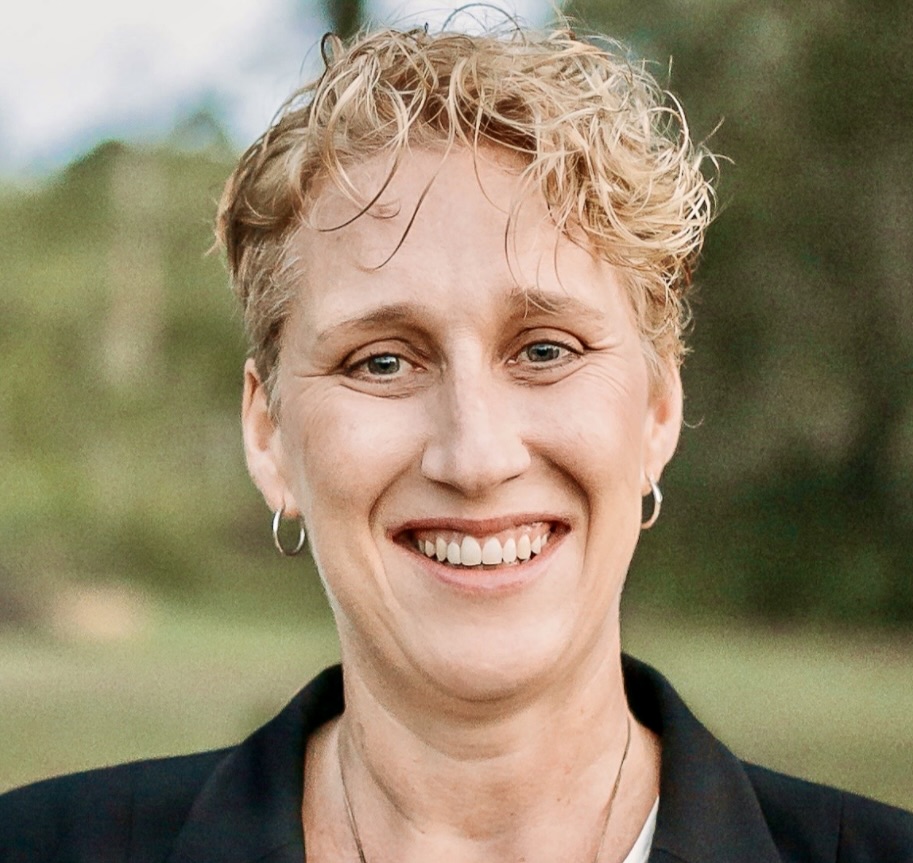
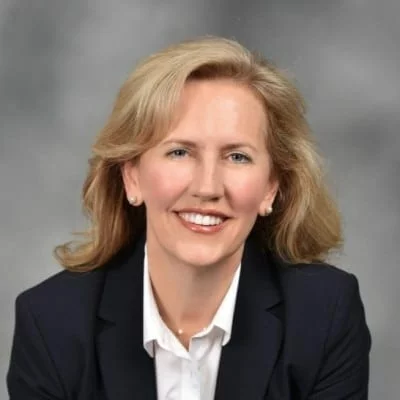
Rebecca Freeman
At the core of any initiative is data – but beyond that, “good data,” Freeman noted. “It’s all about making sure your nurses and nurse leaders have the data they need to ensure that we’re delivering amazing care.”
Where AI comes in? Helping to turn data into information that can be utilized at the point of care, said Hess. “We spend so much time searching. If I could easily have the information I need, it would make a huge difference.”
The ideal scenario, in her mind, is to have not just vitals displayed for nurses when they enter a room, but also other critical details that can help nurses “get more connected with patients.”
In some cases, AI tools are being used to comb through documents to provide guidance on specific tasks like when to change central line dressings. Other examples include automating prior authorization requests and improving quality reporting, which can lead to significant time savings.
“My hope is that by taking away those things, we can have more time with the patient and focus on getting them out sooner,” Hess noted.
“Terrified” of AI
The education aspect, however, can be challenging, particularly given the fact that technology competency hasn’t been prioritized in nursing, according to Freeman.
“Most of our nursing faculty are low on that level of literacy, and so they don’t know how to integrate those competencies,” she said. “They’ll have an informatics lecture or course, and then we send them into the care setting, and it falls on the clinical educator or professional development specialist to move them from novice to expert.”
Although most seem to acknowledge that the workforce “desperately needs to be upskilled,” there’s little agreement as to who should bear the responsibility. “We need educators to expand their scope so that nurses have the knowledge they need to make informed decisions,” Freeman added.
The proliferation of AI tools is only adding fuel to the fire, she said, noting that “everybody either wants it or is terrified of it.” At UVM, she’s looking to quell those fears by holding 90-minute introductory sessions, both for executive leaders and staff, and making them available on-demand.
“Nurses are only going to trust artificial intelligence if they understand what we’re bringing in and how we’re using it,” she stated. “We need to educate nurses. We need them to be engaged in the build, governance, and education. Because this can really make their lives easier on a lot of levels.”
The ‘Why’
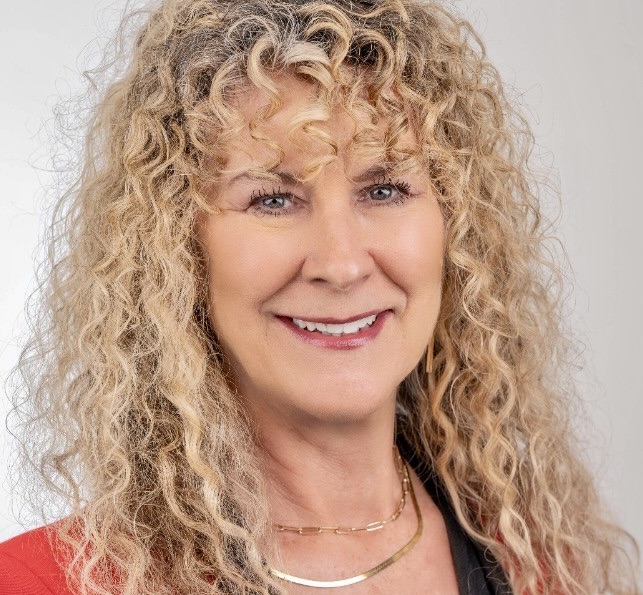
Sherri Hess
Hess, who has spent 26 years in nursing, isn’t surprised by the hesitancy many have to adopt AI. In fact, she believes the biggest barrier being faced now is one that’s always been there.
“It all comes down to change management. We can provide the best technology there is, but if we’re not preparing them for the changes,” it simply won’t stick, she noted. In addition to the most important component – the ‘why’ behind the change and the potential benefits – individuals want to know which challenges to anticipate. “If they’re going to lose some functionality with a new technology or an upgrade, they want to know.”
The tricky part is in finding time for education, which can be extremely difficult given providers’ hectic schedules. Hess’ strategy, therefore, is to offer as many variations as possible, from live and virtual classes to webinars, with the caveat that hands-on time is a must. “We need to ensure people get that hands-on instruction,” both before and after a change is introduced, she said, adding that leaders should leverage rounding to obtain feedback and escalate any problems.
The key to creating this type of culture, according to Hess, is in fostering collaboration across departments. “With any technology that touches clinicians, we need to be involved early on with our IT partners,” starting with the vendor selection process. “We need to make sure the technology meets our needs – and fits into the nursing strategic plan,” she said.
Doing so can go a long way toward successfully driving adoption and ensuring the organization as a whole is headed “in the right direction.”
Thinking Bigger
It can also help organizations stay aligned with the ultimate objective: improving care. As more ‘shiny objects’ are introduced to the mix, nurses can become understandably concerned about how AI tools can jeopardize the patient relationship.
“We don’t want to lose that human connection,” said Hess. “We have to be able to maintain that clinical judgement and keep that human in the loop; we don’t want AI to override that.”
That’s where CNIOs and other leaders play a crucial role in helping to vet technologies and ensure they’re solving problems rather than making a splash, noted Freeman.
“We need to stop being dazzled by things like ambient listening. I don’t know if it’s worth the squeeze or where we should be focusing,” she said. “That’s what informatics leads need to be looking at.
Freeman’s hope, as the industry continues to progress at lightning speed, is for nurses and nursing leaders to capitalize on the opportunity to make their voices heard and help shape the future of the profession. “Sometimes in nursing, we don’t think big. We tend to think in a very structured way; that’s what makes us good at bedside care. I want to enable nurses to think out of the box,” especially when it comes to how AI is shaping healthcare.
Hess concurred, noting that it’s critical not to downplay the enormous impact nurses can have. “At the end of the day, we’re the last step between the patient and their care.”
Rebecca Freeman, VP of Healthcare Informatics and CNIO, The University of Vermont Health Network and Sherri Hess, CNIO, HCA Healthcare, are co-chairing 229 Project’s inaugural CNIO Summit, June 18-20, 2026 in Napa, Calif.