One of the biggest challenges with innovation is getting past the buzzword aspect and exploring what it actually means for organizations – and more importantly, the foundation that must be in place to cultivate it. “It should not be confused with invention and creation of shiny objects,” said Chero Goswami, Chief Information and Digital Officer at Providence. “Innovation drives change. Innovation is very deliberate.”
In a recent 229 Podcast interview, he went so far as to say that “innovation without purpose is just another hobby.”
And not just purpose, but a solid strategy and foundation to support it. During the conversation, Goswami spoke with Bill Russell, Founder at CEO of This Week Health, about his team’s approach to innovation, their constantly evolving AI strategy, and how he is working to bring teams back together.
When it comes to innovation, the 52-hospital system has never lacked ambition, as several digital health entities have spun off from its venture capital arm. What Goswami brought to the role when he joined in 2025 was a framework for channeling that ambition into outcomes. The three components of that framework? Empathy, innovation, and impact.

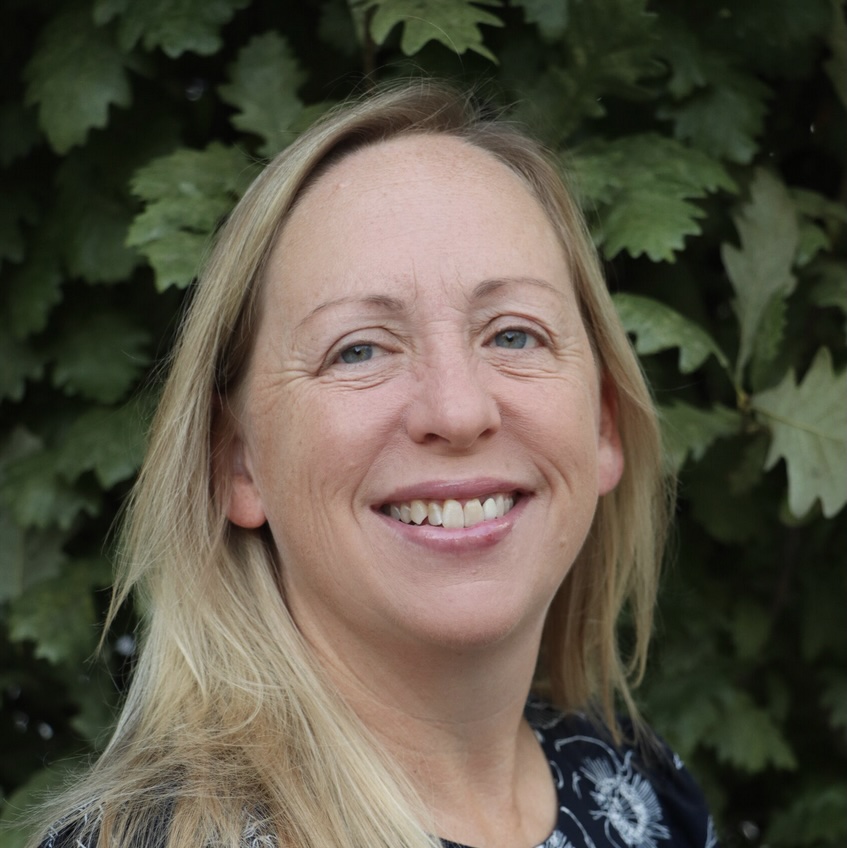
Chero Goswami
“It starts with empathy,” he said, calling it the fabric on which healthcare is built. “The day we stop caring for patients in our thoughts when they're not in front of us – we should leave this industry.”
Innovation, he added, is already in Providence’s DNA, although it is most certainly a work in progress.
And finally, impact, which is measured not in statistics, but in people. "Sometimes we forget that behind each of those numbers is a name, a human being, a family. It does matter about outcomes,” he said. “We need to have business outcomes, not just technical outcomes."
That framework is already producing results. In the past year, Providence reduced patient wait times for new appointments by seven days – with a goal of getting below 25 days by the end of 2026, Goswami said, noting that a key factor in its success is a continued focus on change management.
“Without it, innovation becomes the lipstick on a pig,” he added. “It becomes successful for 60 days, and then as soon as the support system goes away, it crashes and burns.”
The same applies to AI initiatives, according to Goswami. His team’s approach – identifying a handful of high-priority projects and ensuring they can be scaled before moving on – has served them well.
Some of the use cases he’s excited about are AI-assisted in-basket management and ambient documentation. Others include imaging AI for early detection of pulmonary embolism and intracranial hemorrhage, which has driven measurable reductions in length of stay and adverse outcomes, and revenue cycle, which he considers to be a no-brainer. “If someone is not doing AI in claims, denial management, prior authorization – the question is why not? What kind of governance are you waiting for to come and tell you to do it?” he noted.
On ambient specifically, Goswami challenged the industry’s tendency to measure success purely through adoption rates, urging leaders to focus on all the benefits. “We have to keep improving on this to reduce the administrative burden on health systems.”
Underneath the AI conversation is a workforce question that doesn’t get enough serious attention: how do you build the next generation of health IT talent in an era of remote work? Like many CIOs and CIDOs, Goswami is concerned that the informal, hallway-level mentorship that shaped his own career is quietly disappearing. “Gone are the times where you can just walk down the hallway to a colleague and talk about it and learn a tip or trick,” he said. “I don't know if I would be here today if I had started my career during work from home.”
The solution, in his view, isn’t mandating in-person attendance by decree, but rather, making the case for culture. “Some things you can’t do remotely. That’s where tradition, culture, and habits change and prosper.” One method he is utilizing? Holding open coffee sessions in which staff are invited to address concerns or ask questions. “Meet people where they are, not where you are,” he emphasized.
And in healthcare, there’s no shortage of questions or challenges, largely because of its unique nature. “It’s an industry where none of your consumers want to come to you because they want to. They come to you because they need to.”
That reality, he noted, shapes so many factors, from how technology is designed, how change is managed, and how success is measured. Because the human element is so pervasive, leaders are under increased pressure to ensure the right infrastructure and the right pieces are in place–but it’s a burden he’s proud to help shoulder.
As CIOs and CIDOs, “we keep up with regulatory changes. We keep up with cyber issues,” Goswami said. Consequently, “we have actually reduced preventable harms. We’ve made patient care better – not just the quantity of years a person lives, but the quality of life.”
Moving forward, he hopes to see even bigger improvements. “If we can reduce the burden of accessibility and affordability together using technology, that, to me, would be our biggest win.”





Questions about the Podcast?
Contact us with any questions, requests, or comments about the show. We love hearing your feedback.

© Copyright 2024 Health Lyrics All rights reserved