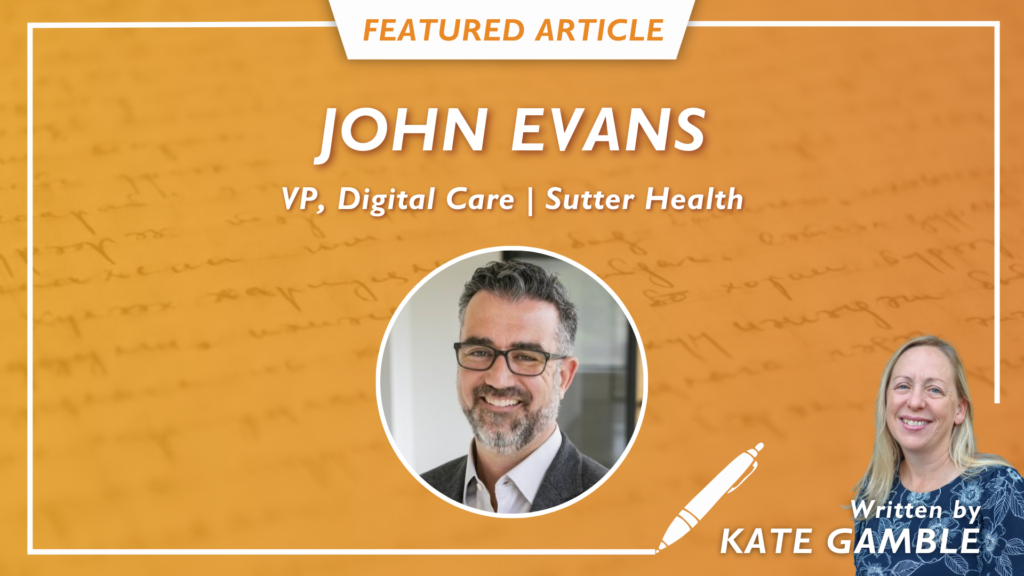
For individuals with chronic diseases, the treatment options leave something to be desired. Put simply, “it isn’t working,” according to John Evans, VP of Digital Care, Sutter Health. “Most patients see their doctor a few times a year, if they’re lucky. Within that timeframe things can really go awry,” which can lead to increased complications and higher costs.
That’s where digital devices can make an impact. But even those can be flawed. In fact, a 2024 JAMA article found that the vast majority of point-of-care solutions only effectively treat one condition, which is problematic given that most patients have multiple chronic conditions. Sometimes even 4 or 5, said Evans, which means they’re being asked to download multiple vendor apps.
At Sutter, “we wanted a unified experience for our patients that enabled them to submit data directly to the EHR,” Evans said. To that end, they partnered with Epic to launch Sutter Sync, an initiative designed to help patients proactively manage chronic conditions from the comfort of home. Through the use of proprietary devices, including a blood pressure cuff, scale, and glucometer, data are automatically transmitted to the MyChart app.

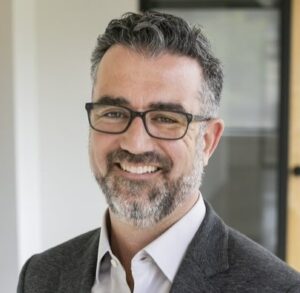
John Evans
In addition to reducing unnecessary hospital visits, Sutter Sync – the brainchild of Richard Milani, MD, Chief Clinical Innovation Officer – enables teams to more effectively monitor changes and identify abnormalities, which can lead to improved decision making. So far, it has yielded positive results. Since the initial launch in March 2025, starting with hypertension and pregnancy and eventually lipids in the fall, adoption has increased steadily, with more than 4,600 patients enrolled in the program. More importantly, feedback has been promising, with boosts being reported in patient satisfaction scores.
Perhaps the most significant factor in this success, according to Evans, is Sutter Sync’s multipronged strategy focusing on three key areas: monitoring, medication management, and education.
“That three-legged stool differentiates our program,” he said. And it starts with “making sure that whenever possible, we deploy remote patient monitoring devices so that we get a steady stream of data as opposed to highly episodic care.”
That ability to access real-time data and build intelligence on top of it “helps us stay much more in tune with our patients and respond more quickly when we see changes and put interventions in place,” Evans added.
The second piece involves monitoring done in close collaboration with pharmacists, which has proven to alleviate some of the burden on primary care physicians. “That really differentiates us,” he said. “We know that PCPs are a mile wide and an inch thick, and it's really hard to stay on top of all the conditions a patient may be managing.” This way, “we can make sure our pharmacists stay up to date on all of the protocols, and we’re able to provide medication management from a dedicated team.”
Last, and most certainly not least, is the education piece. Upon enrollment, patients are asked a series of questions to help identify goals and guide decision-making. What they found right away, according to Evans, is that a large percentage of patients living with hypertension, diabetes, and other conditions “don’t fully understand what the condition is or what led to it.” To help curb that, Sutter has opted to present information on diet, sleep, activities, and other factors in bite-sized chunks, using different types of media to accommodate different preferences. “The goal is for us to be a unified team working together to get patients on a healthier journey.”
Although they’re still on that journey, Sutter Sync has already established some solid best practices, which Evans shared below.
Sure enough, a year into the launch, “our initial results show that the program is working,” Evans said, noting that 79 percent of patients have shown clinical improvement according to HEDIS standards. And while Sutter is certainly thrilled with the outcome, the bar will continue to rise. “We’re proud of everything we’ve achieved, but we’re always looking for ways to improve.”

Questions about the Podcast?
Contact us with any questions, requests, or comments about the show. We love hearing your feedback.
© Copyright 2024 Health Lyrics All rights reserved