Cleveland Clinic doesn’t always follow the typical path when it comes to selecting and implementing technologies, and ambient listening was no exception. Instead of zeroing in on one or two solutions, the IT team conducted five pilots over the course of six months.
In the end that patience paid off, said Sarah Hatchett, noting that it has gone live with more than 3,500 physicians to date. “We’re seeing great outcomes in terms of their experience with the tool, but also some revenue improvements as well. That’s been fantastic.”
By executing multiple pilots, her team was able to develop “a deep understanding” of what drives value, which, in their case, turned out to be the quality of the note. “That was the differentiator,” she noted. “That’s how we ended up selecting the product we did.”

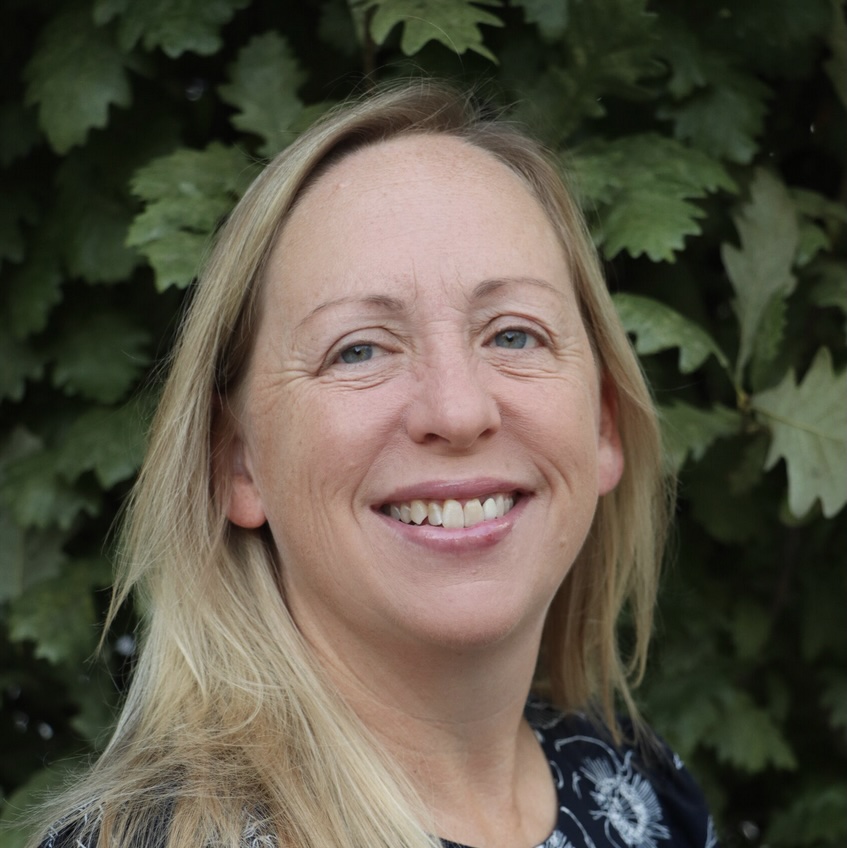
Sarah Hatchett
It’s a perfect encapsulation of the deliberate, data-backed philosophy that guides decision-making at Cleveland Clinic, and has distinguished Hatchett as a top leader in the industry.
Recently, she spoke with This Week Health about how her team is managing the myriad challenges faced by healthcare organizations, from technical debt and prioritization to the constant waves of M&A and expansion. Hatchett, who has served in various capacities with the organization since 2017, also shared insights on the critical role CIOs play in educating teams on AI.
For Hatchett, one of the most appealing aspects of being with Cleveland Clinic is the “vision and mission” to deliver world-class care. Along with that, however, comes a “moral imperative to provide care wherever we can,” which can be daunting for CIOs.
“Each care setting represents a different set of technology needs, whether that’s through new affiliates or strategic partnerships,” which means leaders need to stay ahead of the innovation curve,” she noted. “We have to be out there understanding what are the best capabilities in the market, and what we can build and support to enable that in different care settings.”
And it’s not just brick and mortar expansion; health systems are increasingly seeking out strategic partnerships to strengthen their capabilities.
But regardless of the nature, growth of any kind requires a “highly reliable, stable, secure, always-on platform,” something she feels is often underappreciated. “That doesn’t come easy. There’s a ton of work that needs to happen.”
One of the key elements in ensuring a strong platform, according to Hatchett, is stewardship. “Whether you’re talking about capital and operating investments or prioritization of projects, I always have my eye on technical debt,” she noted. “Where do we have gaps? Where do we have challenges versus where we drive value for the business?”
This is where problem management plays a key role. And specifically, ensuring issues are addressed quickly and completely, and baked into resilience planning to prevent similar problems from occurring down the road. “It’s something we’ve built a lot of discipline into,” she noted.
That bleeds into another key area of focus for CIOs – particularly those at large organizations: striking the right balance between demand and capacity. It starts with accepting the idea that demand is always going to exceed capacity, at least to some extent, Hatchett said. Therefore, “it’s up to us to prioritize our portfolio and make sure we’re working on the right things to support our business decisions.”
It’s also understanding that if a request is made that will add significant value, leadership can increase capacity. The key is in being as transparent as possible, she noted. “That visibility and cultural understanding is so important, because if you’re on a technical team and you’re on the receiving end, it can feel like this uphill battle that you’re never going to win. When in fact, we are indeed winning by being strategic and being intentional about the way we allocate resources.”
To achieve this goal, Cleveland Clinic is taking a few key measures, which she described below:
Another topic that has become a critical focus for Hatchett is AI – specifically, ensuring teams grasp the role that tools like ambient documentation will play in driving transformation. “AI is going to be part of our jobs going forward, whether it’s helping us to implement a point solution or whether it's becoming increasingly integrated into our enterprise applications. Everyone needs to identify AI as part of a new level of responsibilities in terms of education, understanding, and being able to operationalize these tools.”
And although Cleveland Clinic has an AI data science team tasked with “deep algorithms and forecasting, everyone needs to be able to understand and work with it,” especially when it’s embedded into workflows.
For CIOs and other leaders, it presents an opportunity for growth in their teams – provided they’re willing to invest time for learning and development, which includes training. The question, according to Hatchett, is “how do we actually put our money where our mouth is and not just say, ‘I expect you guys to be able to learn things,’ but to actually create space in the resource plan for that. I think it’s so important to let people know you mean it. Otherwise it can just feel like another expectation that’s hard to meet.”
That, of course, is the last thing leaders want to do. Instead, CIOs like Hatchett are focused on “making sure we continue to head down the right path, getting the best experience for our providers and our patients as well.”





Questions about the Podcast?
Contact us with any questions, requests, or comments about the show. We love hearing your feedback.

© Copyright 2024 Health Lyrics All rights reserved